
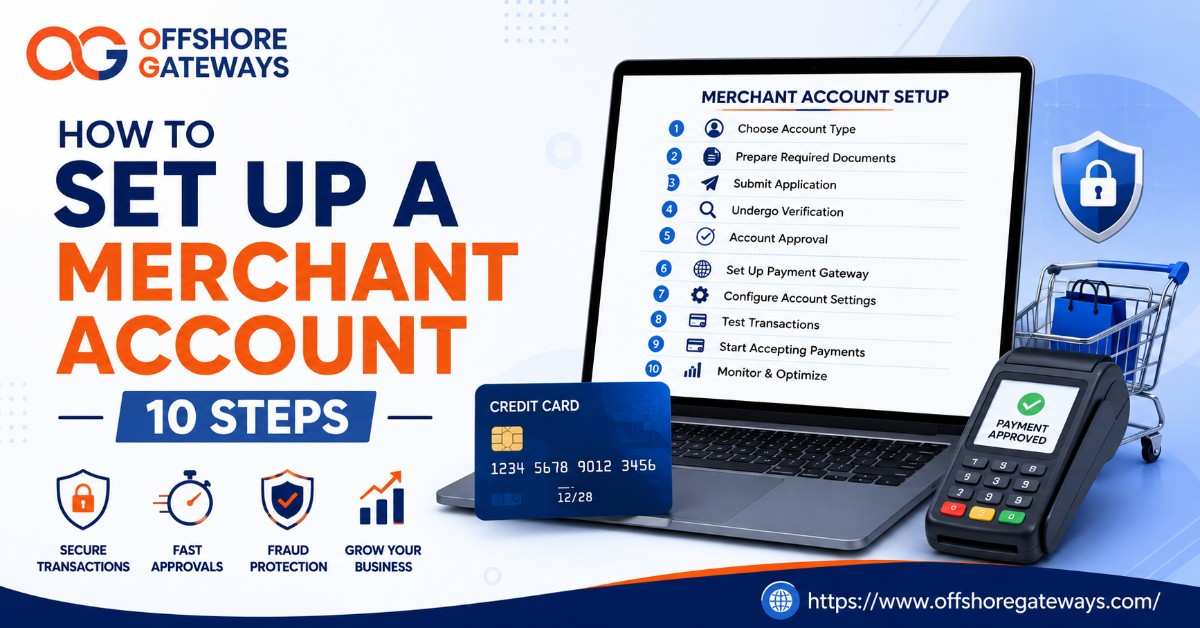
In today’s digital age, businesses are rapidly evolving to meet the demands of an interconnected world. One crucial aspect of this evolution is understanding how to set up a merchant account. Whether you’re a small online shop or a multinational corporation, understanding what a merchant account is and how to set it up is essential for seamless financial transactions and business growth.
In the realm of modern commerce, the term “merchant account” has gained significant prominence. But what exactly is a merchant account, and why is it so vital for businesses? A merchant account serves as a specialized bank account designed to enable businesses to accept payments, primarily through credit or debit cards, from their customers. This financial instrument acts as an intermediary, ensuring the security, efficiency, and regulatory compliance of the transaction process.
A merchant account functions as a conduit connecting the business, the customer, and the payment processor. When a customer initiates a purchase using a credit or debit card, the payment information is securely transmitted to the merchant’s acquiring bank through the merchant account. Subsequently, the acquiring bank communicates with the customer’s issuing bank to validate the transaction’s legitimacy and the availability of funds. Upon approval, the funds are transferred to the merchant’s account, finalizing the payment process.
Several entities collaborate to facilitate a successful transaction through a merchant account:
| Term | Description |
|---|---|
| Merchant | The entity offering goods or services for sale. |
| Customer | The individual making the purchase. |
| Acquiring Bank | The merchant’s bank responsible for receiving payment. |
| Issuing Bank | The customer’s bank holding funds for the transaction. |
| Payment Processor | The technology handling transactions securely. |
Acquiring a merchant account offers numerous advantages for businesses, irrespective of their size or industry:
Considerations and Fees
While merchant accounts offer numerous benefits, businesses should be cognizant of potential fees linked to them. Common fees include transaction fees, monthly statement charges, and chargeback fees. Understanding these costs and negotiating terms with the acquiring bank or payment processor is essential to ensure a favorable arrangement.
Setting up a merchant account involves several steps to ensure smooth payment processing:
How to Set Up a Merchant Account – A Crucial Step in Payment Processing: A merchant account plays a pivotal role in facilitating seamless payment transactions for businesses. Understanding how to set up a merchant account is crucial to tapping into the world of digital commerce. By choosing the right payment processor, meeting documentation requirements, ensuring compliance, and testing the system thoroughly, businesses can establish a reliable and secure merchant account that enables them to offer diverse payment options to their customers. With the landscape of commerce evolving rapidly, mastering the process of setting up a merchant account is essential for businesses aiming to thrive in the modern marketplace.
OffshoreGateways.com specializes in delivering comprehensive solutions for businesses aiming to establish and optimize their merchant accounts. Equipped with a profound understanding of the complexities involved, our expert team guides you through each stage, from selecting the right provider to seamlessly integrating the payment gateway. Learn how to set up a merchant account and ensure your business is poised for success in the digital payment landscape.
In a world where digital transactions reign supreme, comprehending merchant accounts is pivotal for business success. By grasping the fundamentals and benefits of this financial tool, businesses can provide convenient payment options, streamline operations, and enhance credibility in the competitive market.
Next time you make an online purchase, remember the intricate process facilitated by merchant accounts. For deeper insights and expert guidance on how to set up a merchant account and how it can revolutionize your business’s financial landscape, visit OffshoreGateways.com. Don’t hesitate to experience our services firsthand—try us once by contacting us to unlock seamless payment processing and financial growth.
Feel free to share your thoughts and experiences related to merchant accounts in the comments section below. Your insights might just inspire others on their entrepreneurial journey.
Remember, having a merchant account is not just about transactions; it’s about shaping your business for the digital future. Learn, implement, and flourish!
Stay updated on social media as well – Linkedin
Enabling fast, secure payments and tailored solutions—empowering your business to grow worldwide, no matter the challenge.
Copyright © 2026. All rights reserved.