
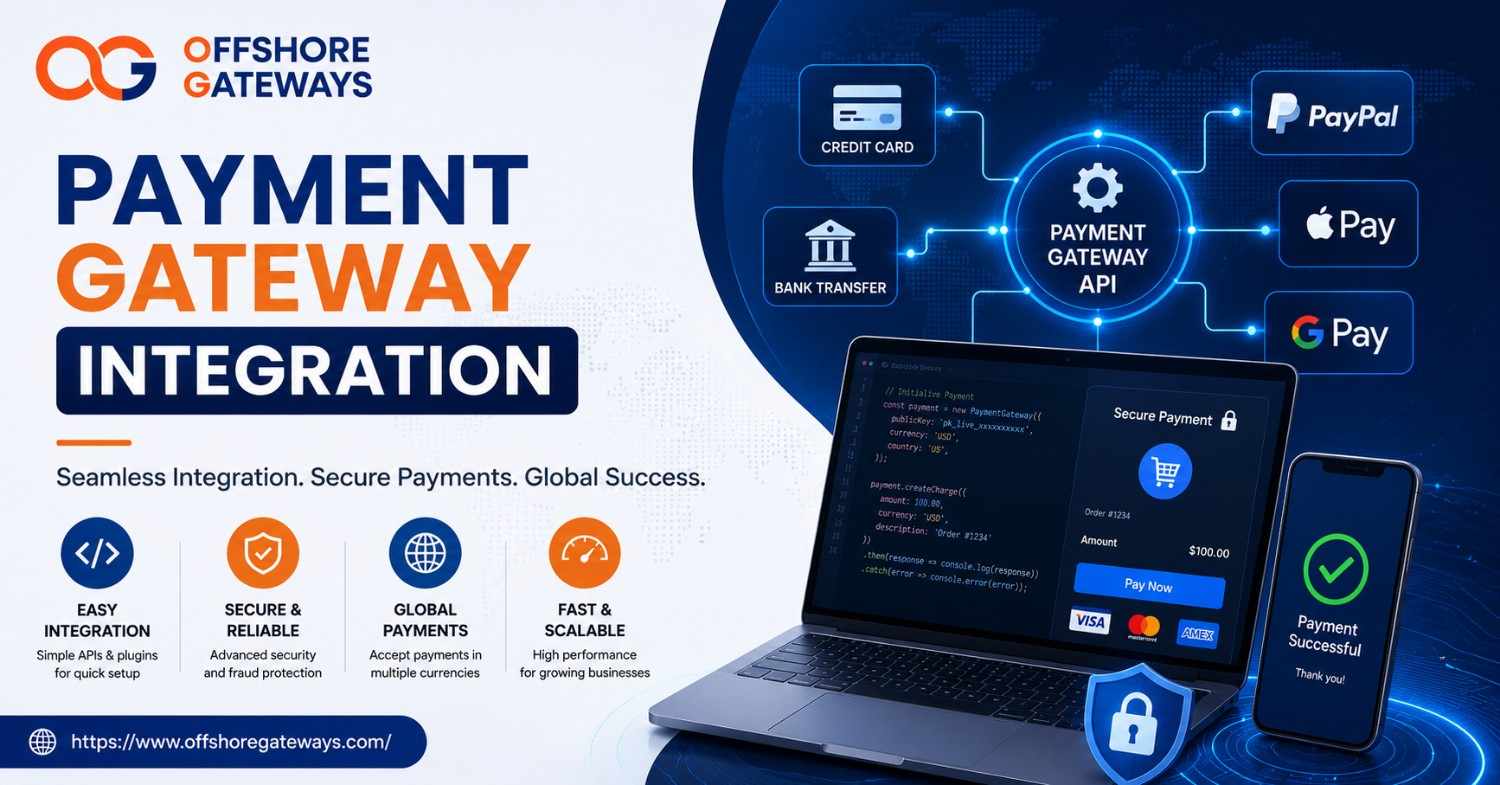
Payment gateway integration is the process of connecting your online store or application to a payment processor. This allows your customers to pay for their purchases using a variety of payment methods, such as credit cards, debit cards, and e-wallets.
Payment gateway integration is a critical component of any e-commerce business. It enables you to securely process online transactions, making it easier for customers to make payments and for merchants to receive funds.
This comprehensive guide will walk you through the entire process of payment gateway integration, from choosing the right payment gateway to testing and deploying your integration.
Payment gateway integration is the backbone of any successful e-commerce business. It allows merchants to accept online payments securely and efficiently, providing a seamless checkout experience for customers.
There are many reasons why payment gateway integration is so important. First, it enables businesses to offer a variety of payment methods, meeting the diverse needs of their customers. This is especially crucial in today’s globalized marketplace, where customers expect to be able to pay using their preferred methods, regardless of their location.
Second, payment gateway integration helps to protect sensitive financial data. By encrypting all transactions, payment gateways minimize the risk of fraud and data breaches. This builds trust with customers and helps to ensure a smooth checkout experience.
Finally, payment gateway integration is a strategic necessity for businesses of all sizes. In the ever-evolving digital marketplace, businesses need to be able to accept online payments in order to compete effectively.
Here are some of the key benefits of payment gateway integration for e-commerce businesses:
Overall, payment gateway integration is an essential part of any successful e-commerce business. By integrating a payment gateway, businesses can provide a convenient and secure checkout experience for their customers, which can lead to increased sales and customer loyalty.
In today’s digital age, where e-commerce is booming, payment gateway integration stands as a critical component of any online business. This seamless process allows businesses to securely process payments online and provides customers with an efficient and hassle-free checkout experience. In this expanded guide, we will delve deeper into the intricacies of payment gateway integration, addressing key considerations and best practices.
Selecting the right payment gateway is the foundation of a successful integration. The choice of payment gateway should align with your business needs and goals. Here are some factors to consider:
| Payment Gateway | Transaction Fees | Supported Payment Methods | Customer Support | Security Features |
|---|---|---|---|---|
| PayPal | Percentage-based fee + fixed fee per transaction | Credit cards, PayPal, Venmo, and more | Extensive customer support options | Industry-standard security protocols, PCI DSS compliant |
| Stripe | Percentage-based fee + fixed fee per transaction | Credit cards, digital wallets, ACH, and more | Excellent customer support via email and chat | Strong emphasis on data security, PCI DSS compliant |
| Authorize.Net | Percentage-based fee + fixed fee per transaction | Credit cards, e-checks, digital payments | 24/7 customer support via phone and chat | Emphasizes data security and fraud protection, PCI DSS compliant |
Most payment gateways require a dedicated merchant account to facilitate the flow of payments. This merchant account serves as a secure repository for the funds from your transactions. To set up a merchant account, you will need to establish a relationship with a financial institution or payment service provider.

Once you’ve chosen a payment gateway and established your merchant account, gather the essential information provided by your selected payment gateway. This usually includes:
Integrating the payment gateway into your website or application is the core of the process. The complexity of this step depends on the chosen payment gateway and your platform. However, most payment gateway providers offer comprehensive documentation and resources to assist with integration.
Ensure the integration is seamless and user-friendly to enhance the customer experience. This might involve customizing the checkout process to match your branding and user interface.
Before going live, thorough testing is essential to ensure that the integration functions correctly. Payment gateways often provide a sandbox or test environment for this purpose. Key testing considerations include:
Once you are satisfied with the testing results and have resolved any issues that may have arisen, it’s time to take your payment gateway integration live. This step involves replacing your test credentials with live ones, ensuring that all aspects of the payment gateway are functioning correctly. It is crucial to monitor transactions initially to address any teething problems that may emerge during the transition to a live environment.
Security should always be at the forefront of your payment gateway integration process:
Payment gateway integration is an ongoing commitment. Continuous monitoring and maintenance are necessary to:
We understand the importance of choosing the right payment gateway partner for your business. At Offshore Gateways, we offer a comprehensive and secure payment gateway solution designed to meet your specific needs. Our commitment to data security, user-friendly integration, and outstanding customer support sets us apart as the best choice for your payment gateway needs.
Have questions or need assistance? Feel free to comment below with any queries you may have about payment gateway integration. What other aspects of e-commerce or online payment systems would you like to learn more about? Your feedback and questions drive our commitment to providing you with valuable information and support for your business.