
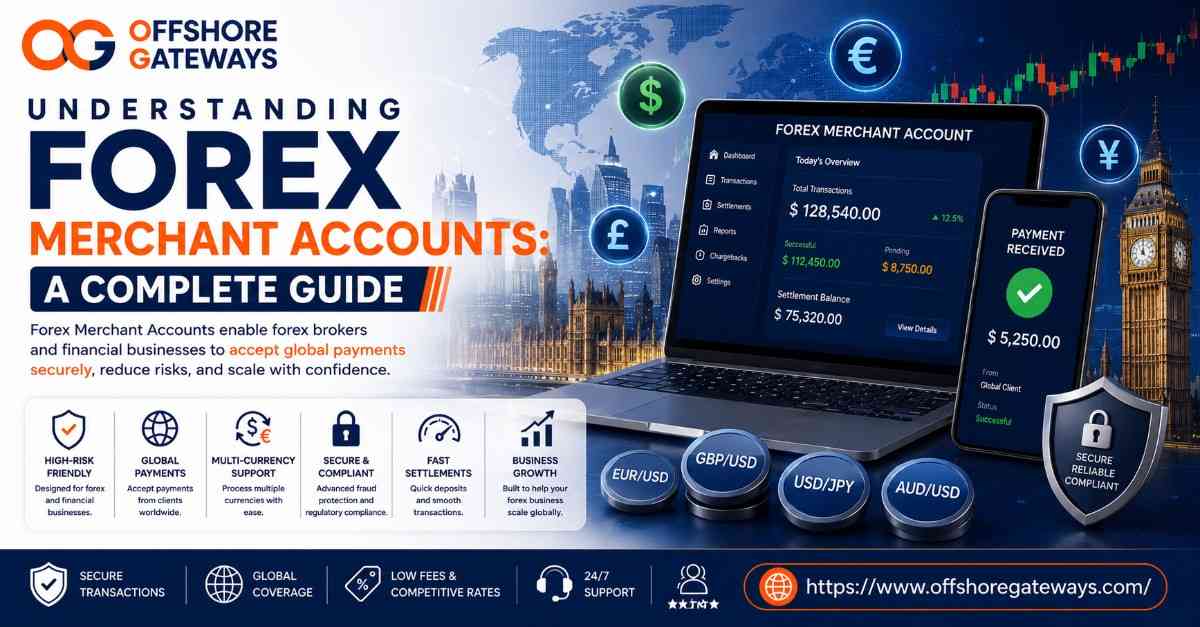
If you’re involved in the world of Forex trading, you’ve likely come across the term “Forex Merchant Account.” But what exactly is it, and how does it work? In this comprehensive guide, we’ll delve deeper into Forex merchant accounts, their role, benefits, and how to choose the right type of merchant account for your specific needs.
A Forex merchant account is a specialized business bank account tailored to Forex brokers. This account facilitates the acceptance and processing of electronic payments from clients. While credit card payments are commonly accepted, Forex brokers may also offer a range of payment options, including wire transfers and e-wallets.
Forex merchant accounts operate similarly to standard merchant accounts. Here’s an expanded view of the process:
| Advantages of Forex Merchant Accounts | Description |
|---|---|
| Global Accessibility | Forex brokers can accept payments from clients worldwide, making international trading seamless. |
| Payment Variety | Brokers can provide clients with diverse payment options, simplifying deposit and withdrawal processes. |
| Enhanced User Experience | A smooth payment process contributes to a positive trading experience, improving client satisfaction. |
| Revenue Boost | Streamlining payment processing enables Forex brokers to attract more clients and increase their earnings. |
Now, let’s explore some additional elements related to Forex merchant accounts:
Multi-Currency Capabilities: Forex trading encompasses a multitude of currencies. A Forex Merchant Account can handle payments in various currencies, automatically converting funds to the desired currency. This feature ensures that clients can trade in their preferred currency without the hassle of currency conversion.
Risk Management Strategies: Due to the inherent volatility of the Forex market, risk management is paramount. Forex Merchant Accounts offer robust risk management tools to safeguard against fraudulent activities, reducing the risk of financial losses, particularly for high-risk businesses.
Secure Payment Gateway: To ensure the safety of sensitive financial information, secure payment gateways are integrated within Forex Merchant Accounts. These gateways encrypt customer data, guarding it against unauthorized access, and providing peace of mind for both brokers and clients.
Offshore Merchant Bank Account Services: Many Forex brokers operate on an international scale, necessitating offshore merchant bank accounts. Forex Merchant Accounts can assist in establishing and managing these accounts, simplifying financial management.
Compliance and Regulations: Forex trading is subject to specific financial regulations and compliance standards in various jurisdictions. Reputable Forex Merchant Account providers guide businesses through these regulations, ensuring that they operate within the legal framework.
When selecting a Forex Merchant Account, consider various factors:
Now, let’s take a closer look at some real-world examples:
| Provider | Accepted Payment Methods | Global Reach | Risk Management | Fees |
|---|---|---|---|---|
| PayPal | Credit cards, e-wallets | Worldwide | Strong fraud prevention | Transaction-based fees |
| Skrill | Credit cards, e-wallets, wire transfers | Worldwide | Advanced security features | Transaction-based fees |
| Stripe | Credit cards, e-wallets, ACH payments | Worldwide | Customizable risk settings | Transaction-based fees |
| Adyen | Credit cards, e-wallets, alternative payments | Global | Comprehensive risk management | Custom pricing based on business volume |
| Authorize.Net | Credit cards, e-checks | Worldwide | Advanced fraud detection | Monthly and transaction fees for the Forex Merchant Account. |
To maximize the benefits of your Forex Merchant Account, consider these tips:
To ensure a seamless experience with your Forex Merchant Account, avoid these common pitfalls:
Forex Merchant Accounts are essential tools for Forex brokers, enabling them to accept payments from a global clientele and offer flexible payment options. Selecting the right account and using it responsibly are vital for success in the dynamic and high-risk Forex trading industry. By adhering to best practices and avoiding common mistakes, you can ensure a seamless experience for both your business and your clients in the world of Forex trading.
Now, we’d love to hear from you! Have you utilized a merchant account for your trading business, and if so, what were your experiences and challenges? Please feel free to share your insights in the comments below.
If you’re in search of a reliable payment gateway solution for your high-risk business, consider Offshore Gateways. Why should you choose us? Here are a few compelling reasons:
Now, we’d love to hear from you. What challenges have you faced when it comes to payment processing in your high-risk business within the Forex Merchant Account? How can Offshore Gateways help you overcome these challenges? Share your thoughts and questions in the comments, and we’ll be happy to assist you on your journey to seamless payment processing within the Forex Merchant Account.
Stay updated on social media as well – Linkedin
Enabling fast, secure payments and tailored solutions—empowering your business to grow worldwide, no matter the challenge.
Copyright © 2026. All rights reserved.