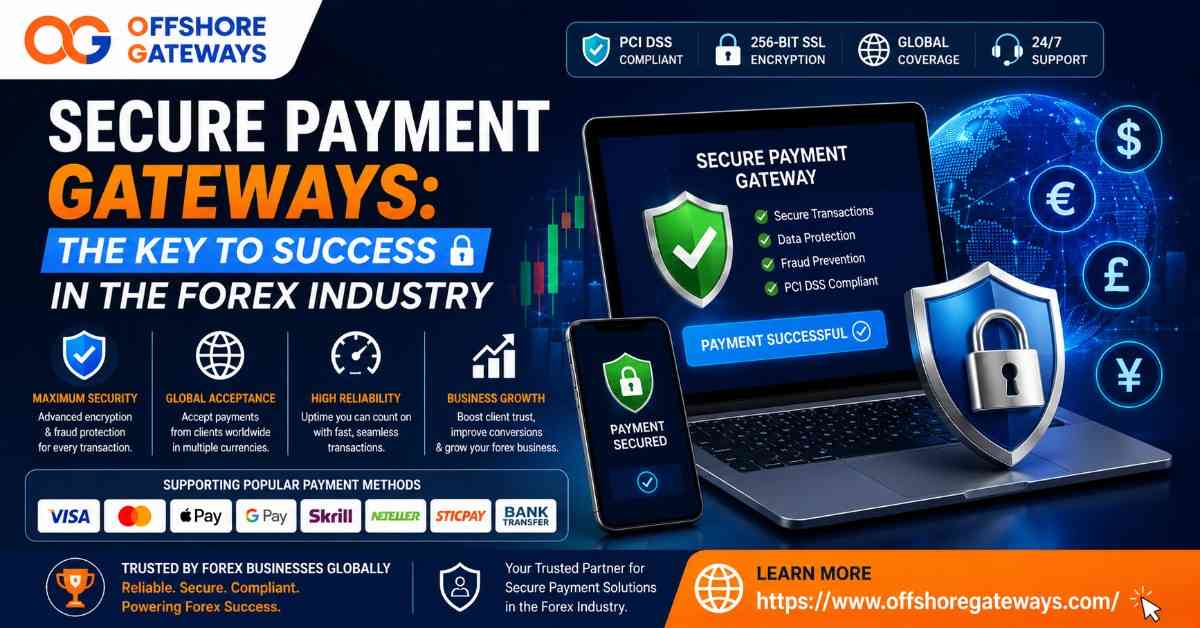
Secure Payment Gateways: The Key To Success In the Forex Industry
The Forex Market and the Need for Seamless Payments
The foreign exchange market, often referred to as forex, is a vast global network where traders buy and sell currencies. This dynamic market facilitates international trade and investment, with transactions valued in trillions of dollars daily, supported by secure payment gateways that ensure safe, fast, and reliable fund transfers.
For forex brokers, ensuring smooth and secure payment processing is fundamental to their success. Traders need a platform that allows them to deposit funds quickly, execute trades efficiently, and withdraw their earnings effortlessly. This is where payment gateways come into play.
What is a Payment Gateway and How Does it Work in Forex?
A payment gateway acts as a secure intermediary between a forex broker and a trader’s financial institution (bank or e-wallet).
Here’s a simplified breakdown of the process:
Trader Initiates a Transaction: When a trader wants to deposit funds or withdraw earnings, they initiate the transaction on the forex broker’s platform.
Payment Gateway Redirects: The payment gateway securely redirects the trader to their preferred payment method’s login page (e.g., credit card provider, e-wallet).
Authorization and Encryption: The trader enters their payment credentials, which are encrypted by the payment gateway to ensure data security. The gateway then transmits the encrypted information to the trader’s financial institution for authorization.
Funds Transfer: Upon receiving authorization, the trader’s financial institution transfers the funds to the forex broker’s merchant account.
Confirmation and Settlement: The payment gateway confirms the successful transaction with both the trader and the forex broker. Funds are then settled, typically within a predetermined timeframe.
Key Considerations for Choosing a Forex Payment Gateway
Selecting the right payment gateway for your forex brokerage is crucial. Here are some key factors to consider:
Security:
PCI Compliance: Ensure the payment gateway adheres to the Payment Card Industry Data Security Standard (PCI DSS). This rigorous framework protects sensitive cardholder data from breaches.
Fraud Prevention: Look for advanced fraud prevention measures like 3D Secure authentication, address verification systems (AVS), and continuous transaction monitoring.
Data Encryption: The gateway should employ robust data encryption protocols like AES-256 to safeguard sensitive financial information during transmission and storage.
Currency Support:
Variety of Currencies: Cater to a global audience by offering a wide range of deposit, withdrawal, and trading currencies. This allows traders to avoid unnecessary conversion fees and enjoy greater flexibility.
Competitive FX Rates: Partner with a gateway that offers competitive foreign exchange rates to ensure your traders get the best value for their money.
Transaction Processing:
Speed and Efficiency: Fast and efficient transaction processing is paramount. Look for a gateway with minimal latency to ensure a smooth user experience for your traders.
Integration with Trading Platform: Seamless integration with your forex trading platform is essential. This simplifies the payment process for traders and avoids unnecessary technical hurdles.
Payment Method Support: Offer a variety of payment methods that cater to different trader preferences. This may include credit/debit cards, popular e-wallets, bank transfers, and potentially, emerging solutions like cryptocurrency payments.
Compliance:
AML/KYC Regulations: Anti-Money Laundering (AML) and Know Your Customer (KYC) regulations are crucial for compliance. The payment gateway should have robust processes in place to verify trader identities and prevent financial crime.
Regional Regulations: Forex trading regulations can vary by region. Ensure the chosen gateway adheres to all relevant regulations in your target markets.
Popular Payment Gateway Options for Forex Brokers
The forex payment landscape offers a variety of options to suit your brokerage’s specific needs. Here’s a breakdown of some popular choices:
Traditional Payment Gateways
Platform
Features
Currency Support
Fees
User Experience
Merchant Verification
PayPal
Trusted platform, familiar user experience
Good
Higher for high-volume transactions
Widely recognized and trusted
Moderate
Stripe
User-friendly interface, scalability
Wide range
Competitive
Popular choice
Stricter verification process
Specialized Forex Payment Processors
These providers cater specifically to the needs of the forex industry and often offer features tailored to forex brokers. Some notable examples include:
Payment Gateway
Description
Skrill
A popular e-wallet solution with a strong presence in the forex market. Skrill offers fast transaction processing, multi-currency support, and competitive fees.
Allied Wallet
This provider offers a comprehensive suite of payment processing solutions for forex brokers, including merchant accounts, chargeback management tools, and international payment capabilities.
Paynetsecure
Focused on security and compliance, Paynetsecure caters to high-volume forex brokers and offers features like real-time transaction monitoring and advanced fraud prevention tools.
B2BinPay (for crypto)
As the popularity of cryptocurrencies continues to rise, B2BinPay allows forex brokers to integrate cryptocurrency payments into their platform. This caters to a growing segment of tech-savvy traders.
Choosing the Right Payment Gateway for Your Forex Business
With a multitude of payment gateways available, selecting the right one requires careful consideration of your specific needs. Here’s a breakdown of the key steps involved:
Evaluate Your Needs: Analyze your target audience, transaction volume, budget, and desired features. Prioritize the factors most crucial to your business success (e.g., security, transaction speed, regional compliance).
Compare Features and Fees: Research different payment gateways and compare their features, fees, and supported currencies. Consider factors like transaction fees, monthly charges, and potential hidden costs.
Reputation and Reviews: Read online reviews from other forex brokers and industry experts to gain insights into the reputation and customer service of different payment gateways.
Integration with Your Platform: Ensure the chosen gateway integrates seamlessly with your existing forex trading platform. This avoids technical complexities and streamlines the user experience for your traders.
Security and Compliance: Verify that the payment gateway adheres to the highest security standards (PCI DSS) and implements robust fraud prevention measures. Additionally, ensure compliance with AML/KYC regulations and any regional regulations applicable to your target markets.
The Future of Payment Gateways in the Forex Industry
The forex payment landscape is constantly evolving, driven by technological advancements and changing customer preferences. Here are some emerging trends to keep an eye on:
Blockchain Technology: Blockchain’s potential to revolutionize financial transactions with its security, transparency, and efficiency could significantly impact forex payments. While still in its early stages of adoption, blockchain-based payment solutions could offer faster settlement times and reduced transaction fees.
Open Banking: Open banking initiatives are creating new opportunities for collaboration between financial institutions and third-party providers. This could lead to more innovative and user-centric payment solutions tailored to the specific needs of the forex industry.
Mobile Wallets: The increasing popularity of mobile wallets like Apple Pay and Google Pay is impacting various sectors, and forex is no exception. Payment gateways that integrate seamlessly with mobile wallets can offer a convenient and secure payment experience for on-the-go traders.
Conclusion
Selecting the right payment gateway is a critical decision for any forex broker. By prioritizing security, efficiency, compliance, and a seamless user experience, you can empower your traders and ensure the smooth operation of your business. Staying informed about emerging trends in the forex payment landscape will allow you to adapt and leverage new technologies to gain a competitive edge.
Why Choose Offshore Gateways?
At Offshore Gateways, we understand the unique needs of forex brokers. We offer a comprehensive suite of payment processing solutions designed to streamline your operations and empower your traders. Our features include:
Security: We are PCI DSS compliant and employ industry-leading fraud prevention measures to safeguard your business and your traders’ financial data.
Global Reach: Support a wide range of currencies and offer competitive foreign exchange rates to cater to your international clientele.
Seamless Integration: Our payment gateways integrate effortlessly with popular forex trading platforms, ensuring a smooth user experience.
Compliance Expertise: We stay abreast of the latest AML/KYC regulations and regional requirements to ensure your business operates compliantly.
Ready to take your forex brokerage to the next level?
Contact Offshore Gateways today to discuss your specific needs and learn how our payment processing solutions can help you achieve success.
Share this article with your fellow forex brokers and visit our website to browse our comprehensive suite of services.
Security, transaction processing speed, currency support, compliance with regulations, and integration with your trading platform are all crucial factors.
Look for PCI DSS compliance, data encryption protocols, and robust fraud prevention measures.
A wider range of currencies allows you to cater to a broader clientele and reduces the need for conversions.
Yes, most payment gateways charge transaction fees, monthly charges, and potentially hidden costs. Compare fee structures before selecting a provider.
Verify PCI DSS compliance and inquire about the gateway's AML/KYC procedures. Ensure adherence to regional regulations in your target markets.